If you’ve been researching ways to improve your smile, you’ve probably run into a long list of options: veneers, bonding, crowns, whitening, Invisalign, and implants.
Each one gets described as the answer to a slightly different problem, and it can be genuinely difficult to figure out which option is actually right for what you’re trying to fix.
Porcelain veneers come up a lot in that research, and for good reason. They’re one of the most versatile and aesthetically powerful tools in cosmetic dentistry. But they’re not the right choice for every situation.
Understanding how they compare to the alternatives is the fastest way to get clarity on which direction makes sense for your specific goals. Here’s a straightforward comparison from Dr. Sadiq’s team at Pleasant Valley Dentistry in Mount Laurel, NJ, a trusted provider of porcelain veneers NJ patients rely on for smile makeovers.
What Porcelain Veneers Actually Do
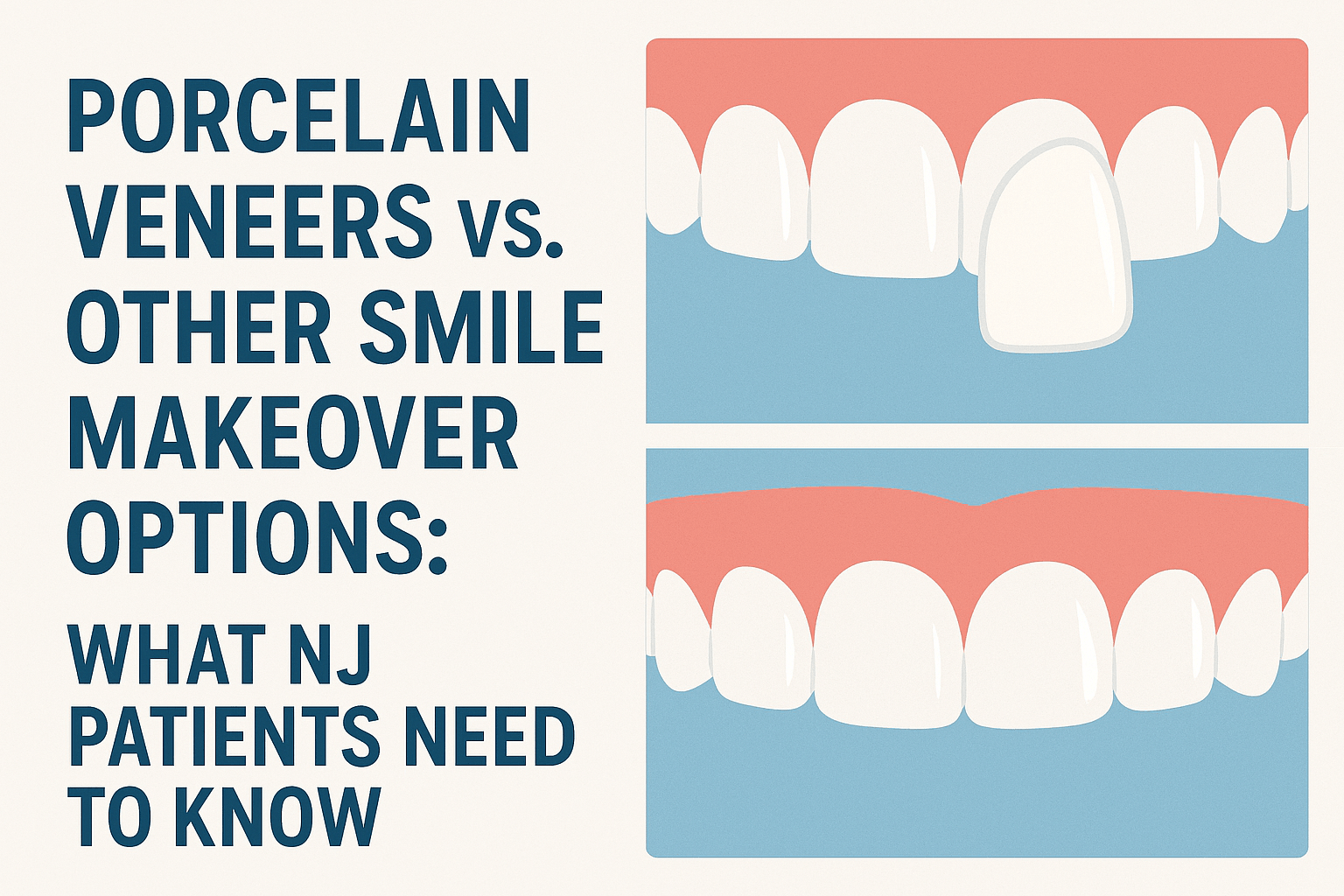
A porcelain veneer is a thin, custom-fabricated shell, typically about the thickness of a contact lens, that is bonded permanently to the front surface of a tooth.
It covers discoloration, changes tooth shape, closes gaps, and corrects the appearance of chips or mild misalignment.
The result looks natural because porcelain mimics the light-reflecting properties of tooth enamel in a way that composite materials and other options don’t quite match.
Veneers are a cosmetic solution, not a structural one. They don’t restore a tooth that’s significantly damaged or decayed.
They transform the appearance of teeth that are structurally sound but aesthetically problematic. That distinction matters when comparing them to alternatives like porcelain veneers NJ treatments designed specifically for cosmetic improvements.
Porcelain Veneers vs. Composite Bonding
Composite bonding uses tooth-colored resin applied directly to the tooth surface and shaped by the dentist in the chair. It’s faster than veneers, usually completed in a single appointment, and costs less.
For minor chips, small gaps, or isolated discoloration on otherwise healthy teeth, bonding is a reasonable and often underrated option.
Where bonding falls short is longevity and aesthetics at scale. Composite resin stains more readily than porcelain, and typically needs replacement or touch-up within five to seven years.
It doesn’t achieve the same translucency and depth of appearance that porcelain does, particularly when multiple teeth are being treated.
For patients looking at a full smile makeover across six to ten front teeth, the aesthetic difference between porcelain and composite is visible and significant.
Porcelain veneers, properly placed, last 10 to 20 years with normal care. The investment is higher upfront, but the longevity and visual result justify it for patients whose primary goal is a durable, high-quality cosmetic outcome.
Porcelain Veneers vs. Teeth Whitening
Whitening is the most accessible cosmetic dental treatment and the first thing most people try.
For patients whose main concern is staining from coffee, tea, or normal aging, professional whitening. Either in-office or take-home tray whitening supervised by a dentist can produce meaningful results quickly and at low cost.
The limitation is that whitening only addresses color. It doesn’t change tooth shape, fix chips, close gaps, or address intrinsic discoloration from tetracycline antibiotics, fluorosis, or trauma staining that lives inside the tooth rather than on the surface.
Whitening also doesn’t work on crowns, bonding, or existing restorations, which can create a mismatch if some teeth have prior dental work.
Porcelain veneers solve all of these problems simultaneously. Color, shape, size, and surface texture are all addressed in the veneer design.
For patients who have tried whitening and found it insufficient, or who have multiple cosmetic concerns beyond just color, porcelain veneers NJ dentists offer are typically the more complete solution.
Who Is a Good Candidate for Porcelain Veneers in NJ?
Good veneer candidates have teeth that are structurally healthy but cosmetically problematic, discolored, chipped, worn, slightly misshapen, or unevenly spaced.
They have sufficient enamel for bonding, good overall oral health, and realistic expectations about what veneers can and can’t change.
Patients with active gum disease, significant decay, severely worn enamel from bruxism, or major alignment issues typically need those conditions addressed before veneers are appropriate. The cosmetic work comes after the foundational health issues are resolved, not instead of them.
At Pleasant Valley Dentistry, the veneer consultation includes a full assessment of your oral health and cosmetic goals before any treatment is recommended.
Dr. Sadiq’s approach is to match the treatment to the actual clinical situation, which sometimes means recommending a different option than the patient initially had in mind, and explaining clearly why that recommendation serves their long-term interests better.
Making the Right Choice for Your Smile
The best smile makeover option is the one matched to your specific goals, your dental health, and your budget, not the most popular option or the most heavily marketed one.
Porcelain veneers are genuinely exceptional for the right candidate. So is bonding for isolated concerns, whitening for color-only issues, and Invisalign for alignment.
The comparison only resolves clearly once someone has looked at your teeth and understood what you’re actually trying to achieve.
If you’re in New Jersey and exploring cosmetic dentistry options, Pleasant Valley Dentistry is located in Mount Laurel, NJ.
Dr. Sadiq’s team works with patients across the full range of cosmetic goals from single-tooth bonding to full smile makeovers with porcelain veneers. Schedule a consultation and get a clear answer on which direction makes sense for your situation.